| StockUp
Congress Hotel |
|
|
|
|
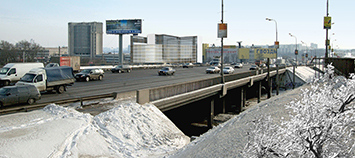
 Access from Interchange Access from Interchange |
 |
 |
| |
|
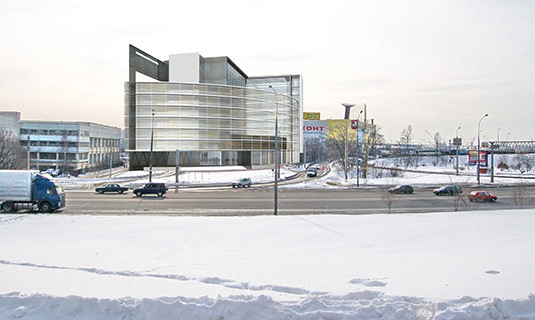 |
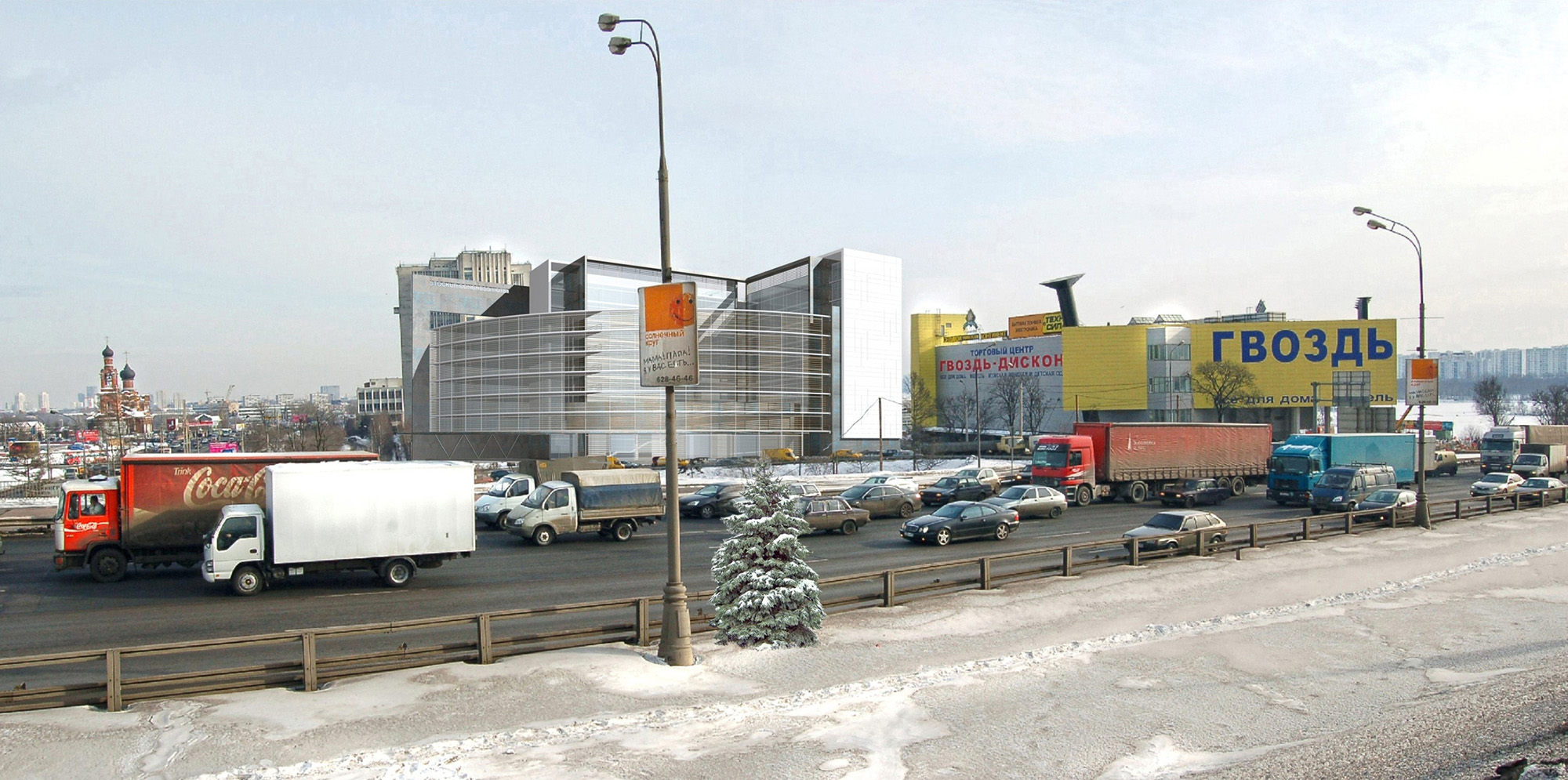
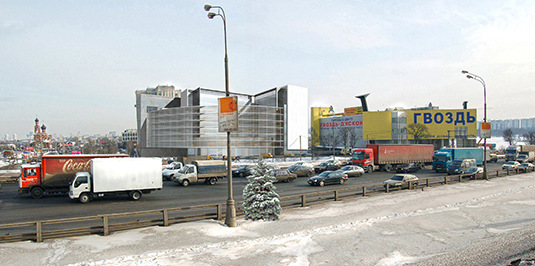 Ring Road View. "Nail" Shopping Center (right) Ring Road View. "Nail" Shopping Center (right) |
| |
|
|
| Plans
& Location |
|
|
|
|
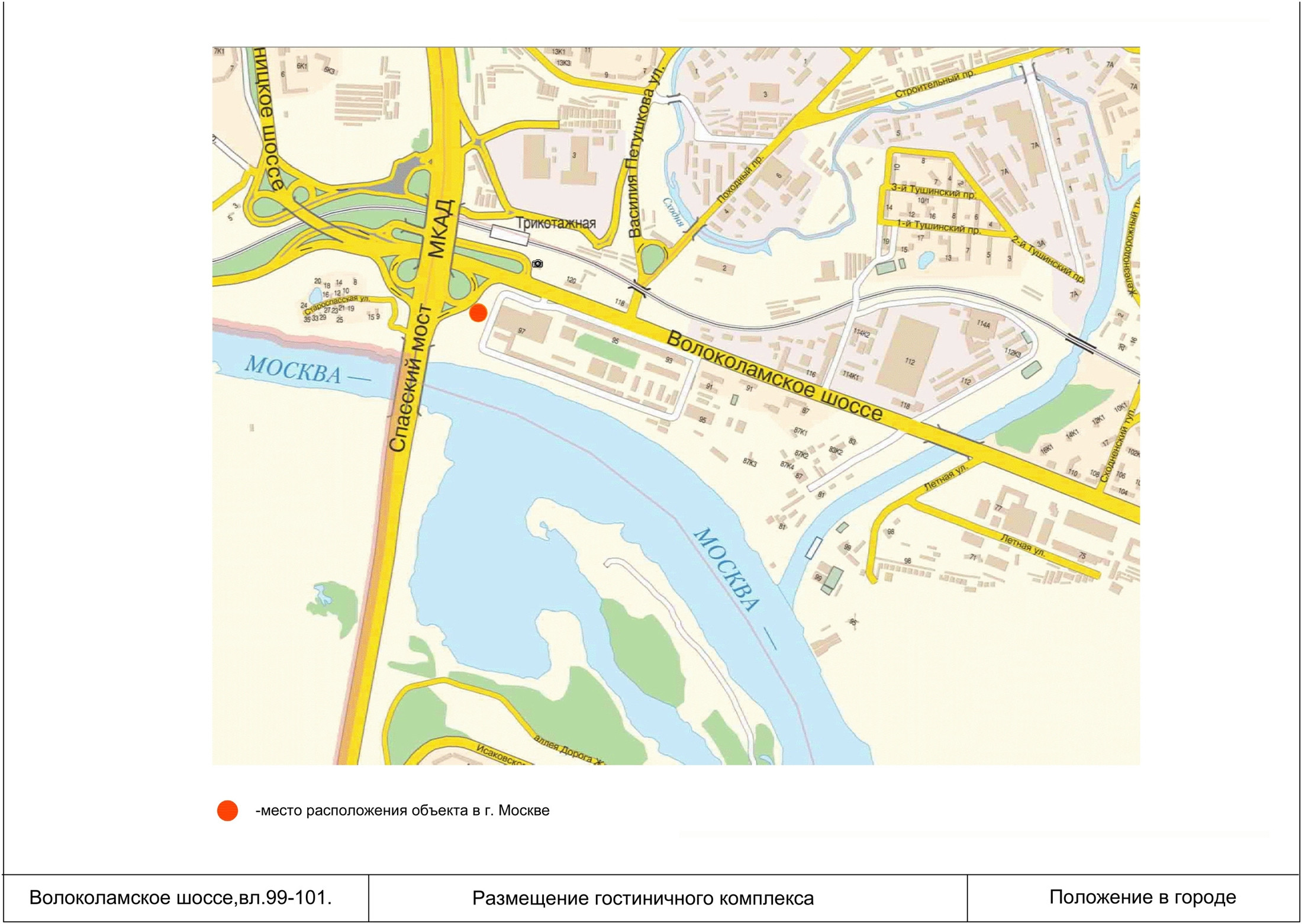
Map
|
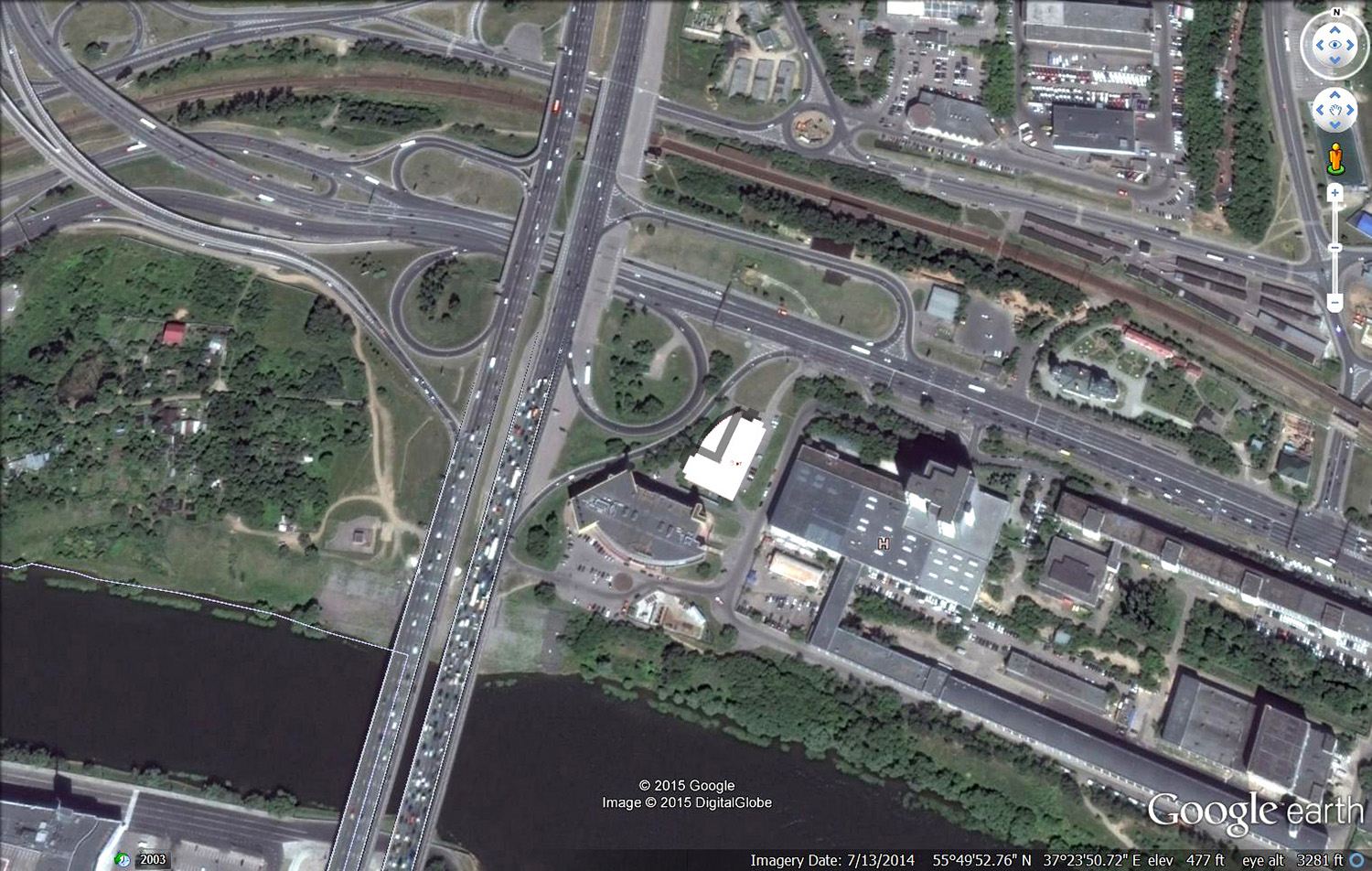
City Location
|
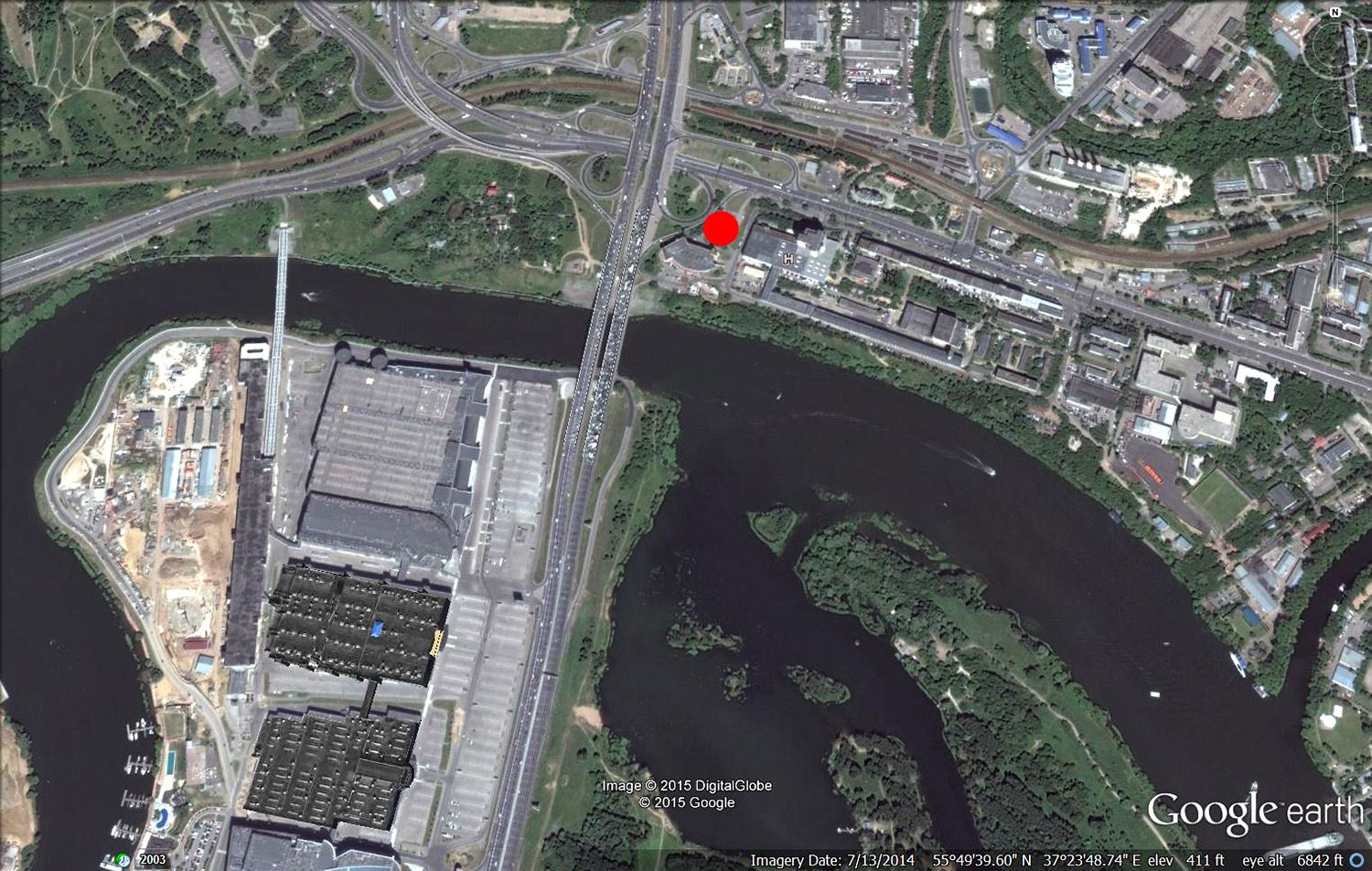
City Location
|
City Location
|
General Plan Scheme
|
Traffic Scheme
|
|
Ground Floor
|
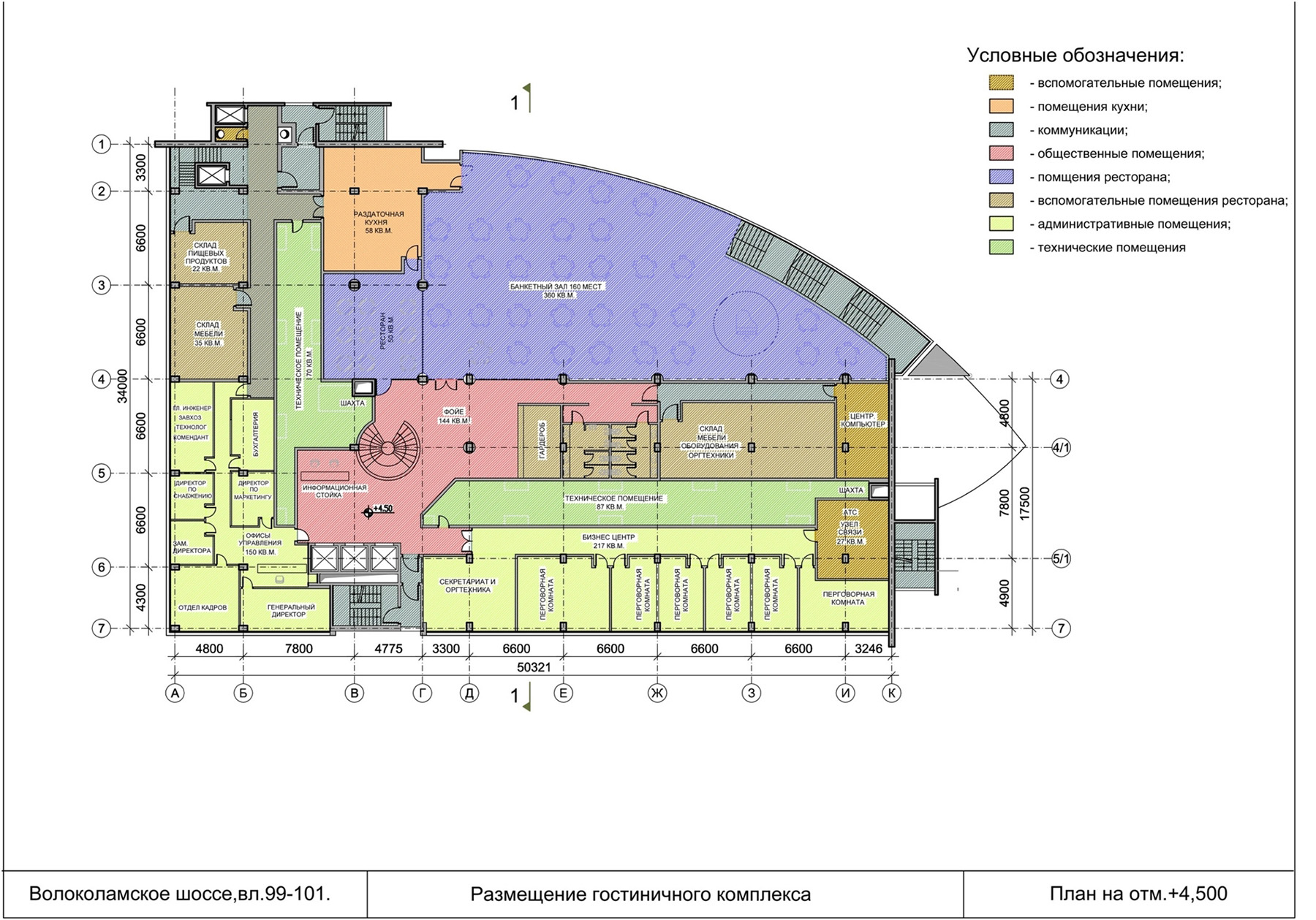
1-st Floor
|
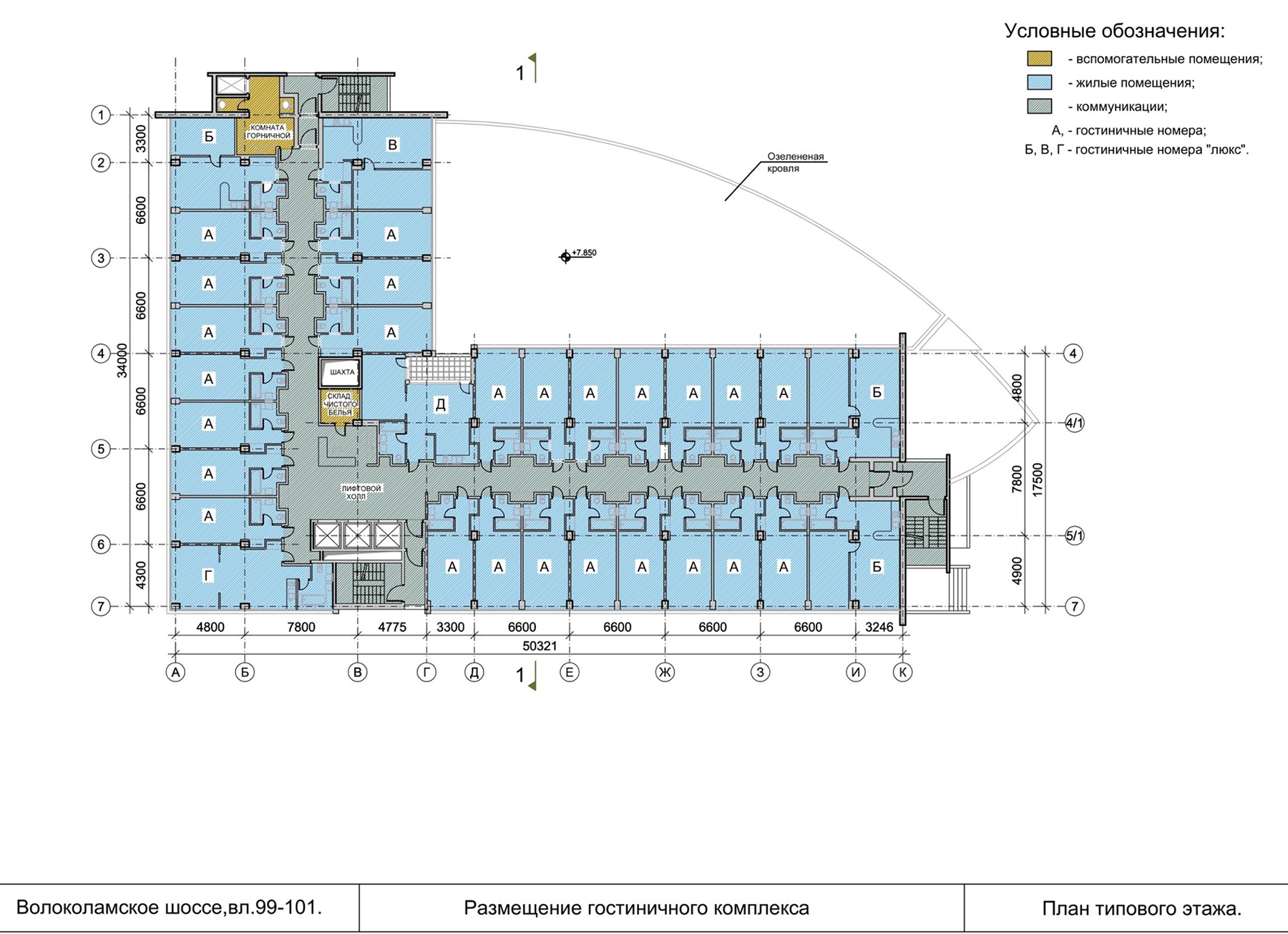
Typical Floor
|
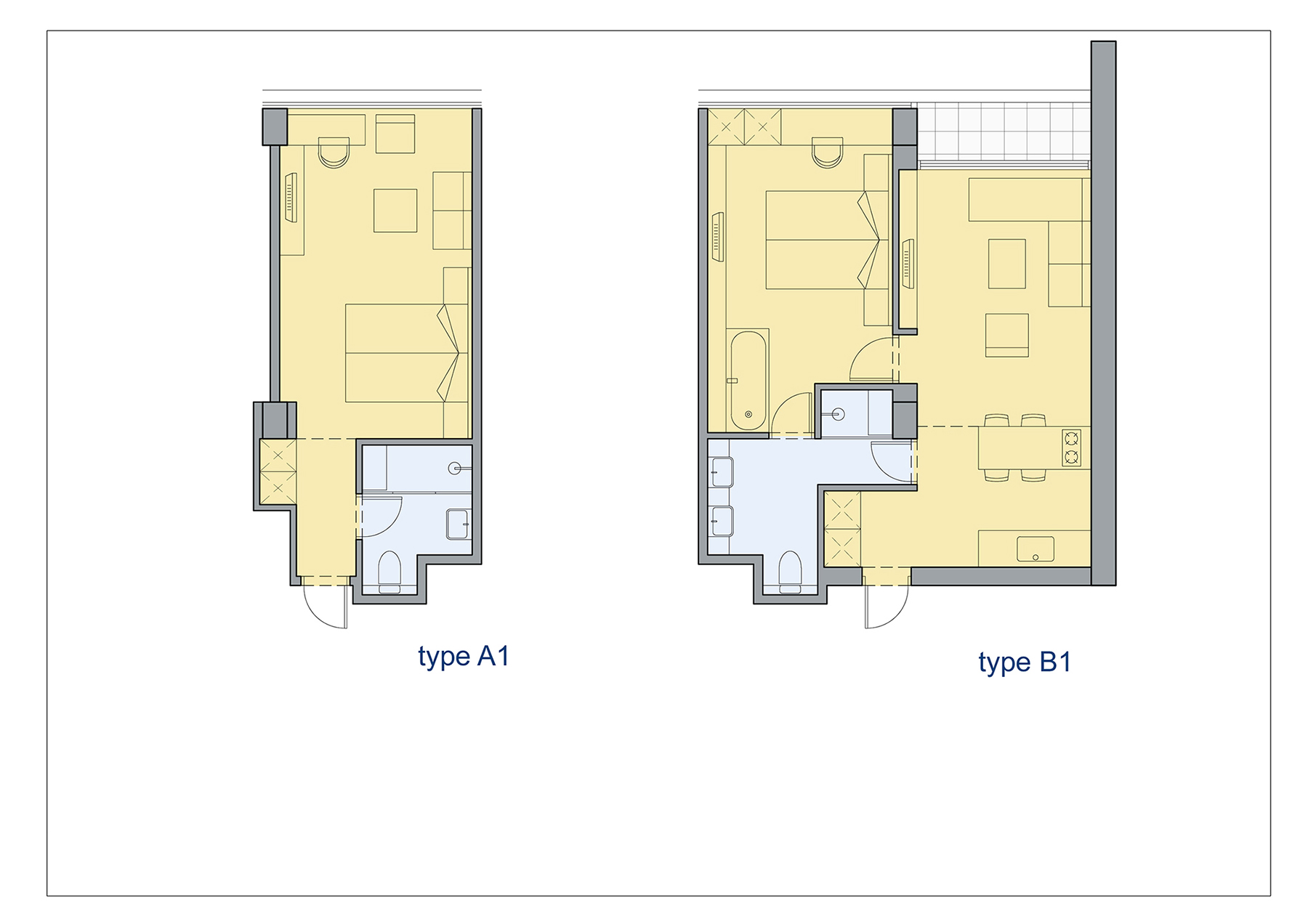
Hotel Units
|
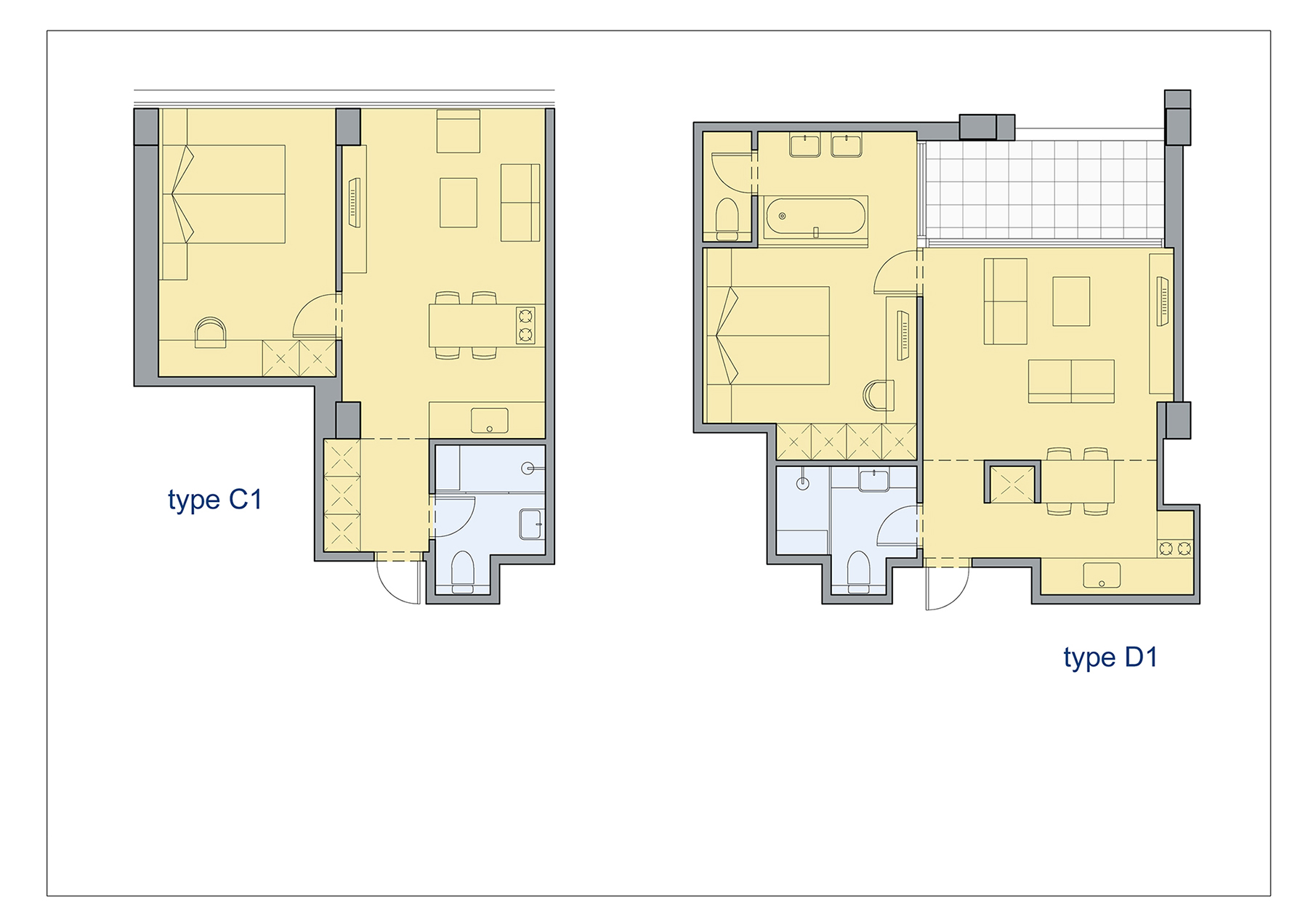
Hotel Units
|
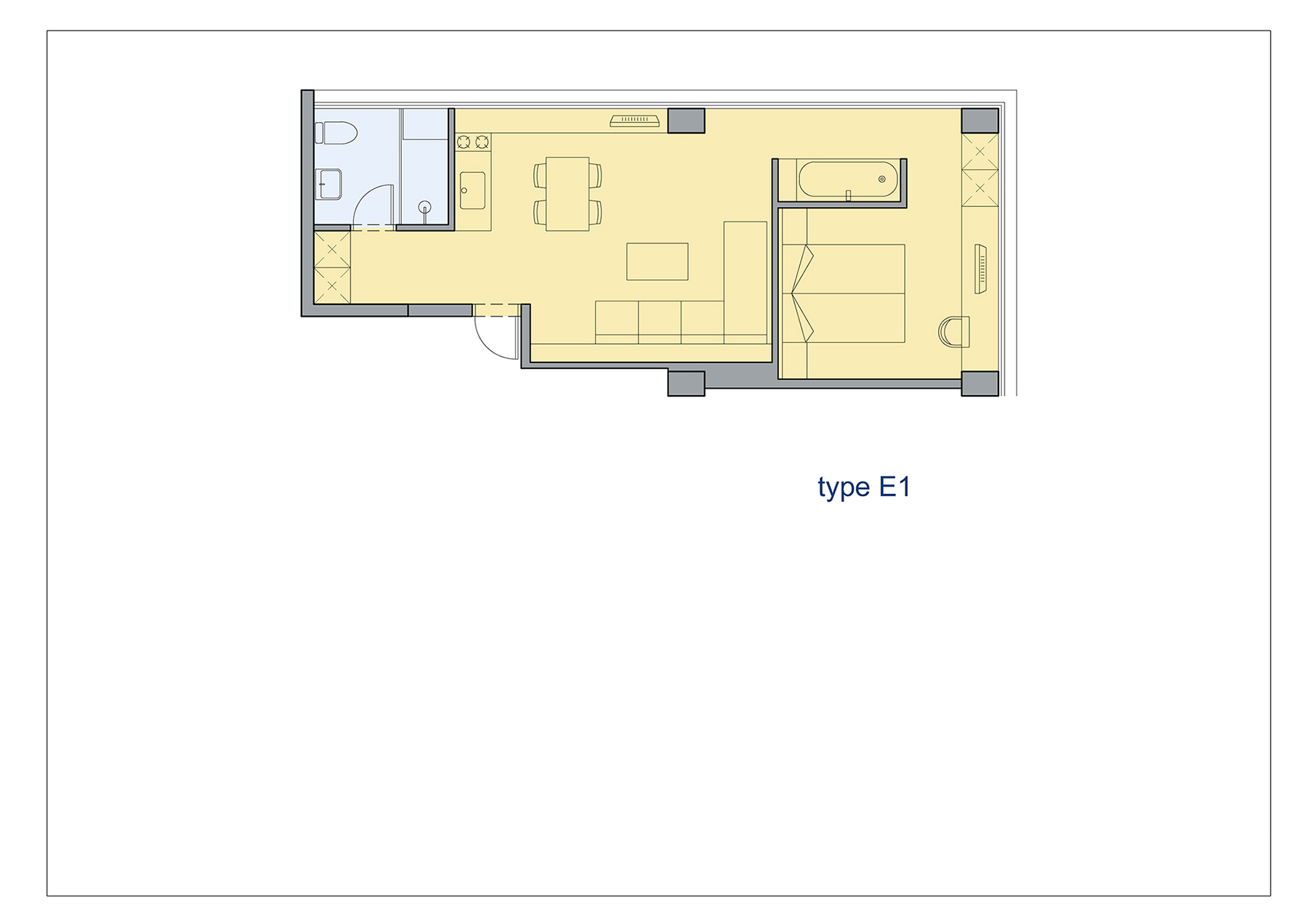
Hotel Units
|
| |
|
|
|
|
|
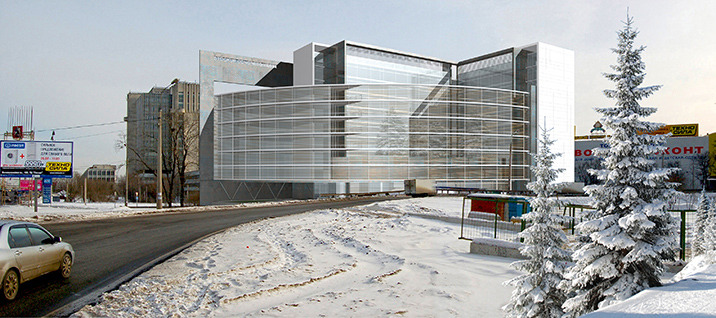
The Responsive Envelope: Adjustable Glass Louver System
To execute the building's defensive environmental strategy without sacrificing visual lightness or natural daylight, the multifunctional screen is conceptualized as a kinetic, responsive envelope. Composed of automated, adjustable horizontal glass louvers, this secondary skin serves as a highly performative architectural interface between the rigorous external environment of the highway interchange and the tranquil interior of the guest rooms.
This louver system provides several critical programmatic and aesthetic functions:
- Acoustic Attenuation & Air Quality Control: Positioned as an outer protective layer, the horizontal glass blades act as an primary acoustic baffle against the intense low-frequency noise generated by the adjacent MKAD ring road and Volokolamskoe Highway. By functioning as a permeable buffer, the system significantly reduces sound transmission while deflecting airborne particulate matter away from the primary weather enclosure.
- Dynamic Solar Shading & Thermal Regulation: Connected to the Building Management System (BMS), the louvers track the sun's trajectory. This kinetic modulation optimizes daylight harvesting by reflecting diffuse natural light deep into the guest rooms while actively mitigating direct solar heat gain. This significantly reduces the cooling load on the building's HVAC systems, contributing to the hotel's overall energy efficiency.
- Kinetic Architectural Expression: Aesthetically, the adjustable louvers transform the hotel's massing from a static volume into a living, dynamic facade. As the louvers articulate throughout the day in response to environmental conditions, the exterior geometry and reflectivity of the building are constantly redefined, creating a shifting, rhythmic presence along the highway corridor.
- Modulated Privacy & User Agency: The horizontal orientation of the glass blades affords an optimal balance between exterior visibility and interior privacy. While the system can be centrally automated for baseline building performance, localized overrides allow guests to adjust the louvers in their individual rooms, granting them agency over their immediate spatial environment and connection to the urban context.
- Materiality and Glazing Specification: The louvers themselves are specified as high-performance, laminated acoustic safety glass. Depending on the desired solar performance and aesthetic, the glass may incorporate a subtle ceramic frit pattern to further reduce glare and provide a textured, layered visual depth to the building's skin.
|
| |
| lenda-zilberman architects © 2026 |
| home |
e-mail |
|
|
| |
| Area: |
11,000
m2 |
| Location: |
Moscow |
| Phase: |
Zoning
Masterplan |
| Designed for: |
StockUp / SU-53 |
| Architects: |
Ilya
Lenda |
| |
Max
Trakhimovich |
| Year: |
2007 |
| |
|
200-Key Business Hotel
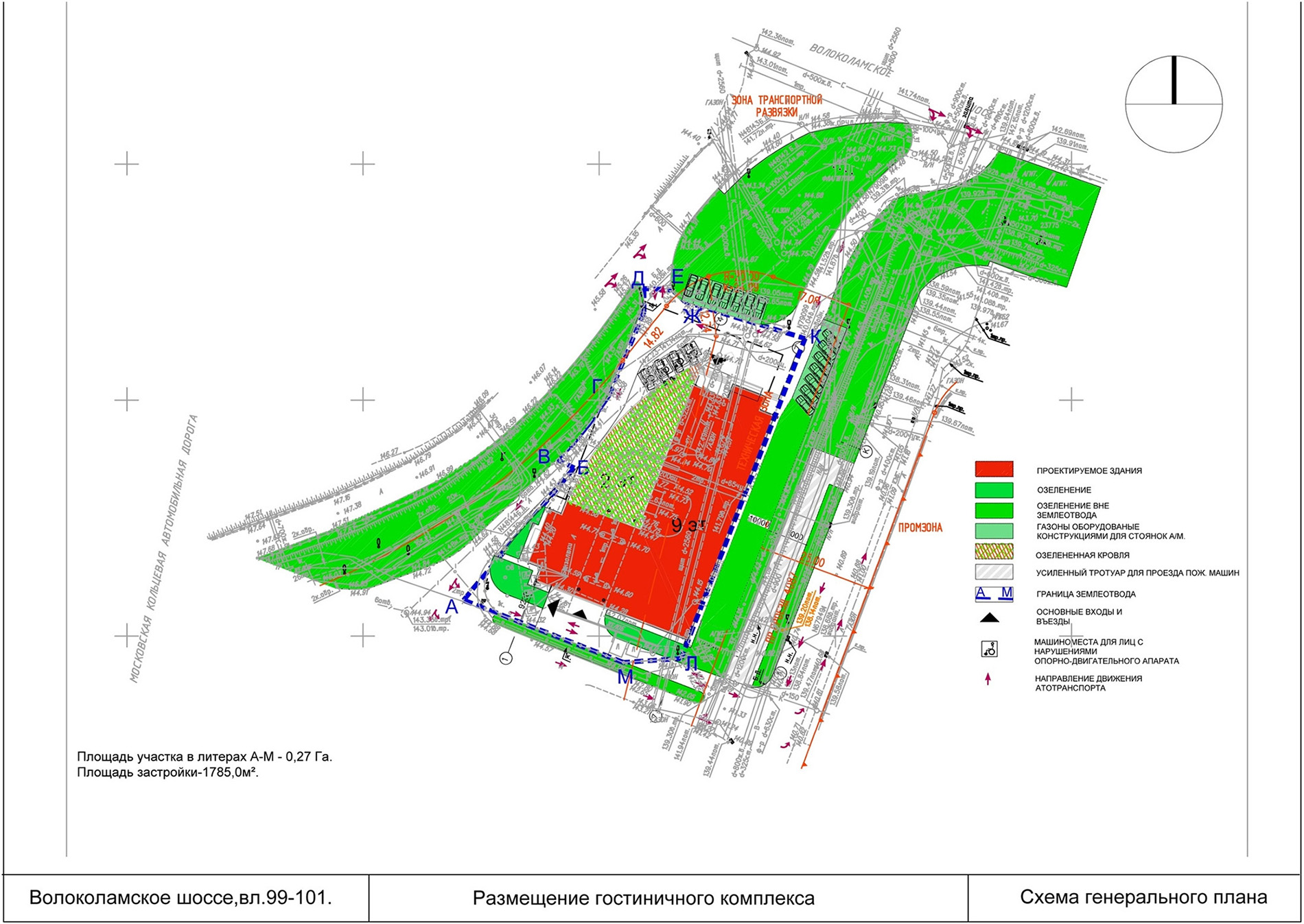
Situated within a highly constrained and dynamic urban fabric, this proposed 200-key business hotel is designed to navigate the complexities of a challenging, high-density brownfield site. Currently occupied by a service station, the parcel demands a highly responsive architectural intervention that addresses both severe site constraints and significant commercial potential.
Site and Urban Context
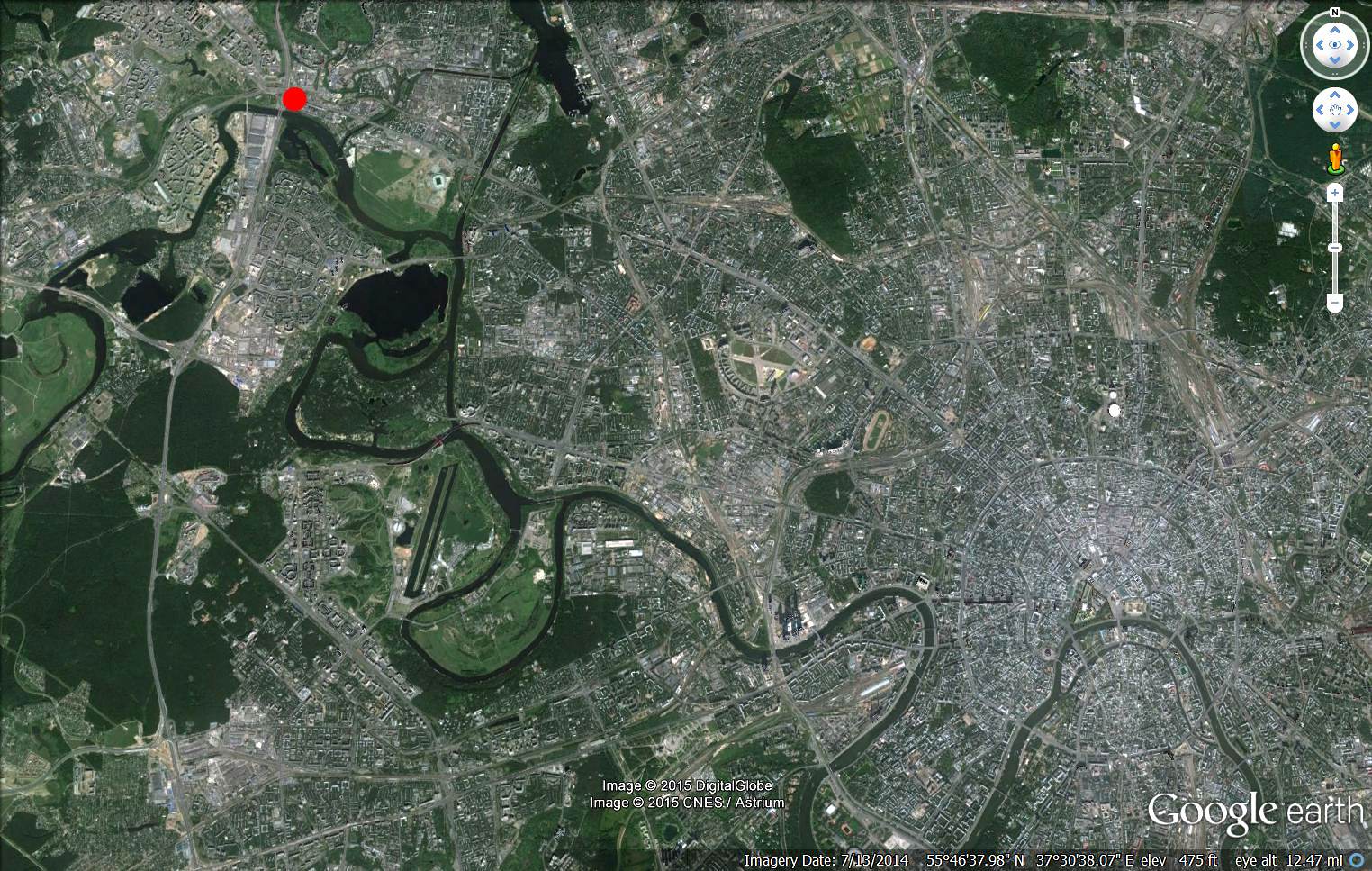
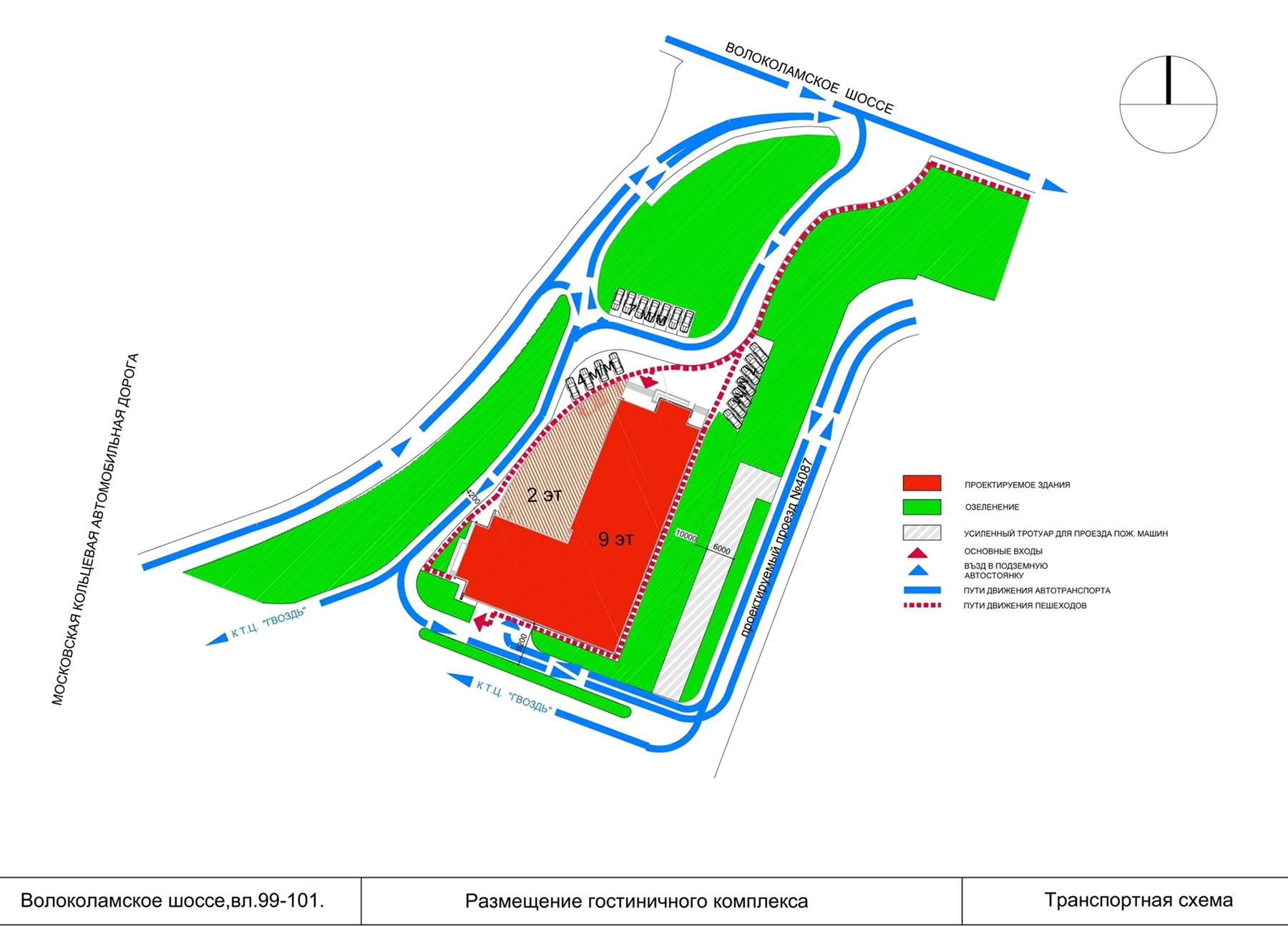
The project's location is defined by starkly contrasting urban edges. To the northwest, the site directly interfaces with a major infrastructural node: the high-traffic interchange of the Moscow Ring Road (MKAD) and the Volokolamskoe Highway arterial axis. Conversely, the southeastern boundary transitions toward a more varied urban typology, bordering a retail center and institutional research laboratories before descending toward the banks of the Moscow River. This duality requires a design that mediates between heavy vehicular infrastructure and the natural/institutional waterfront context.
Strategic Positioning and Catalyst
While the site’s immediate infrastructural adjacencies present an unconventional location for hospitality, the development strategy is driven by powerful programmatic synergies. The site benefits from immediate pedestrian proximity to "Crocus City," Moscow’s premier exhibition and convention hub, located just across the ring road. The hotel is conceived as a vital, transit-adjacent support node, capturing the steady influx of business travelers and delegates visiting the exhibition center.
Architectural and Environmental Strategy
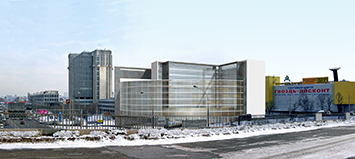
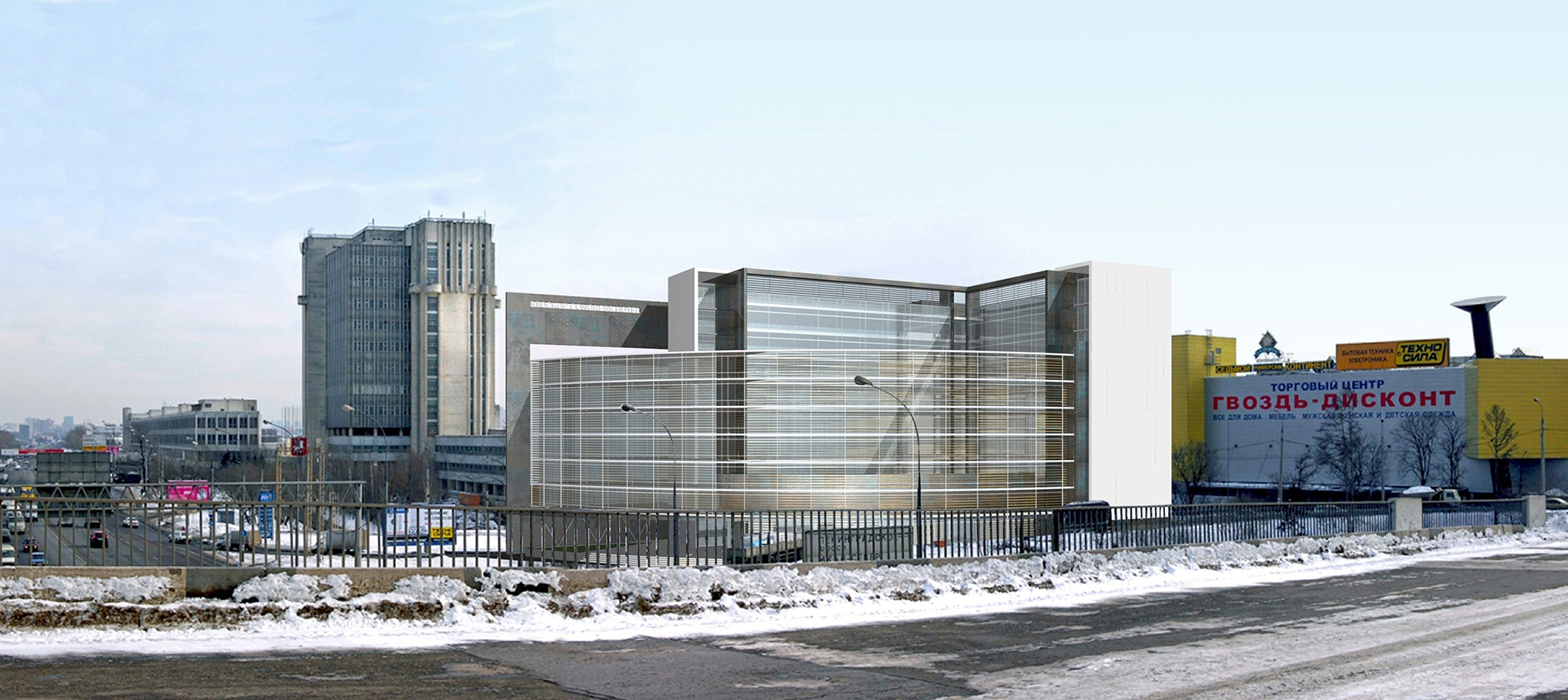
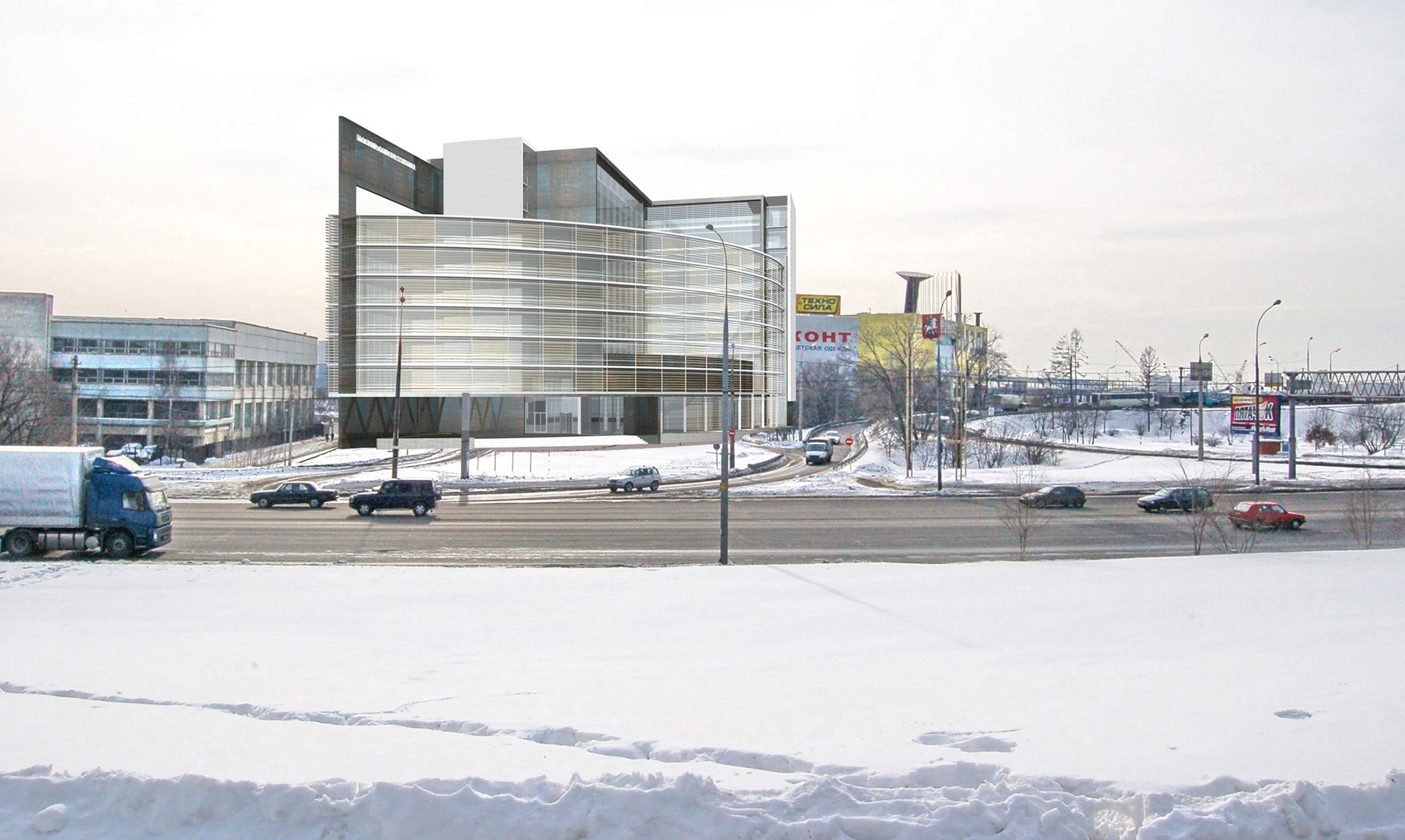
To effectively mitigate the intense acoustic and atmospheric pollution generated by the adjacent highway interchange, the massing and envelope employ a defensive environmental design strategy. The primary accommodation volumes are shielded by an innovative, multifunctional facade screen. This protective envelope acts as both an acoustic baffle and an environmental filter, ensuring optimal interior comfort for guests while establishing a striking architectural identity.
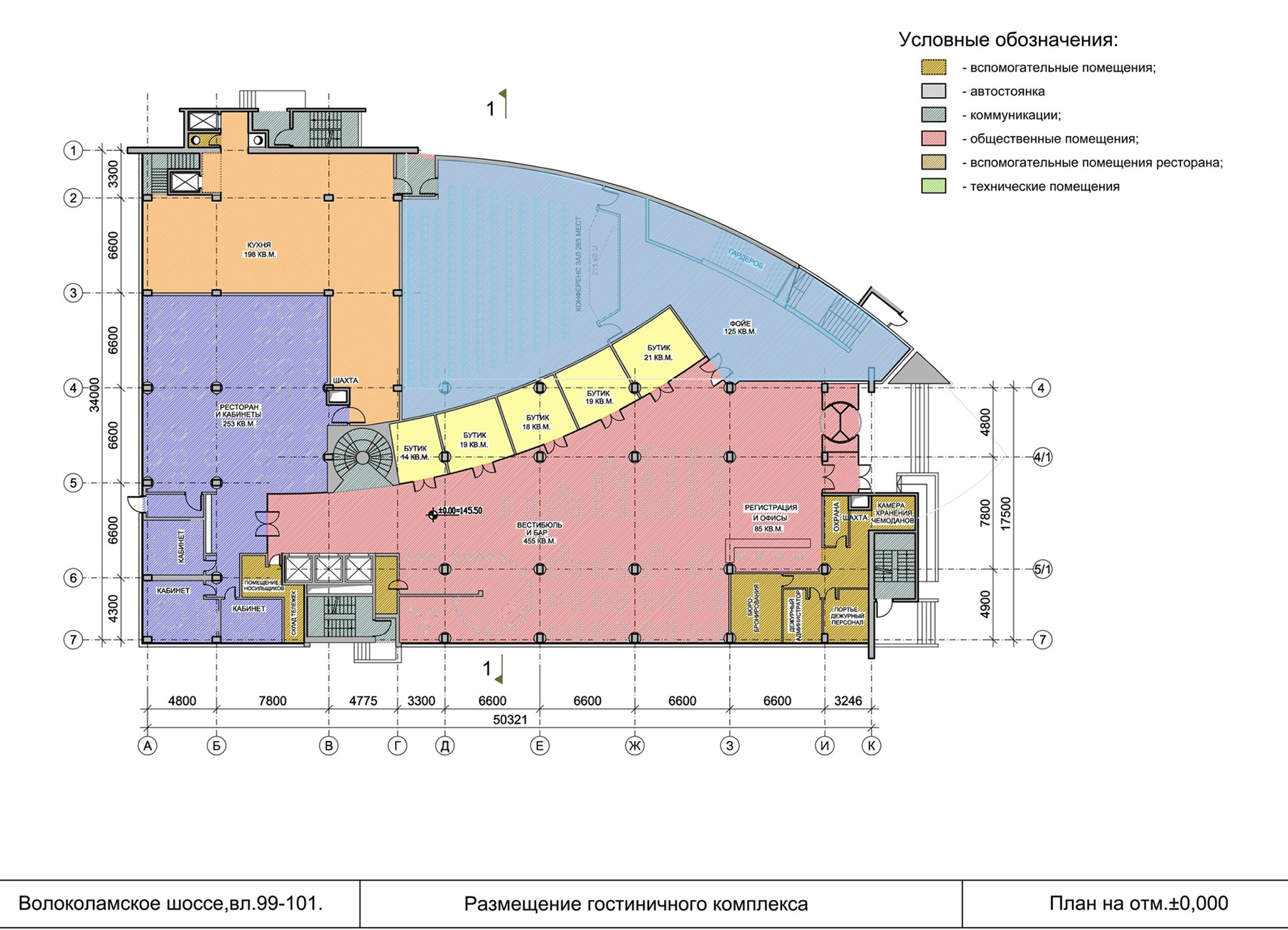
At the lower levels, the hotel’s public programs and amenities are consolidated within a podium base. This podium is crowned by an expansive, landscaped green roof. Functioning as an elevated urban oasis, this green infrastructure not only enhances the building's thermal performance and stormwater management but also provides a sheltered, tranquil environment that buffers the public facilities from the surrounding vehicular intensity. |
| |
| Airport
Mall |
 |
| Hilton
"Queen of Sheba" |
 |
| hospitality |
| |
|
|
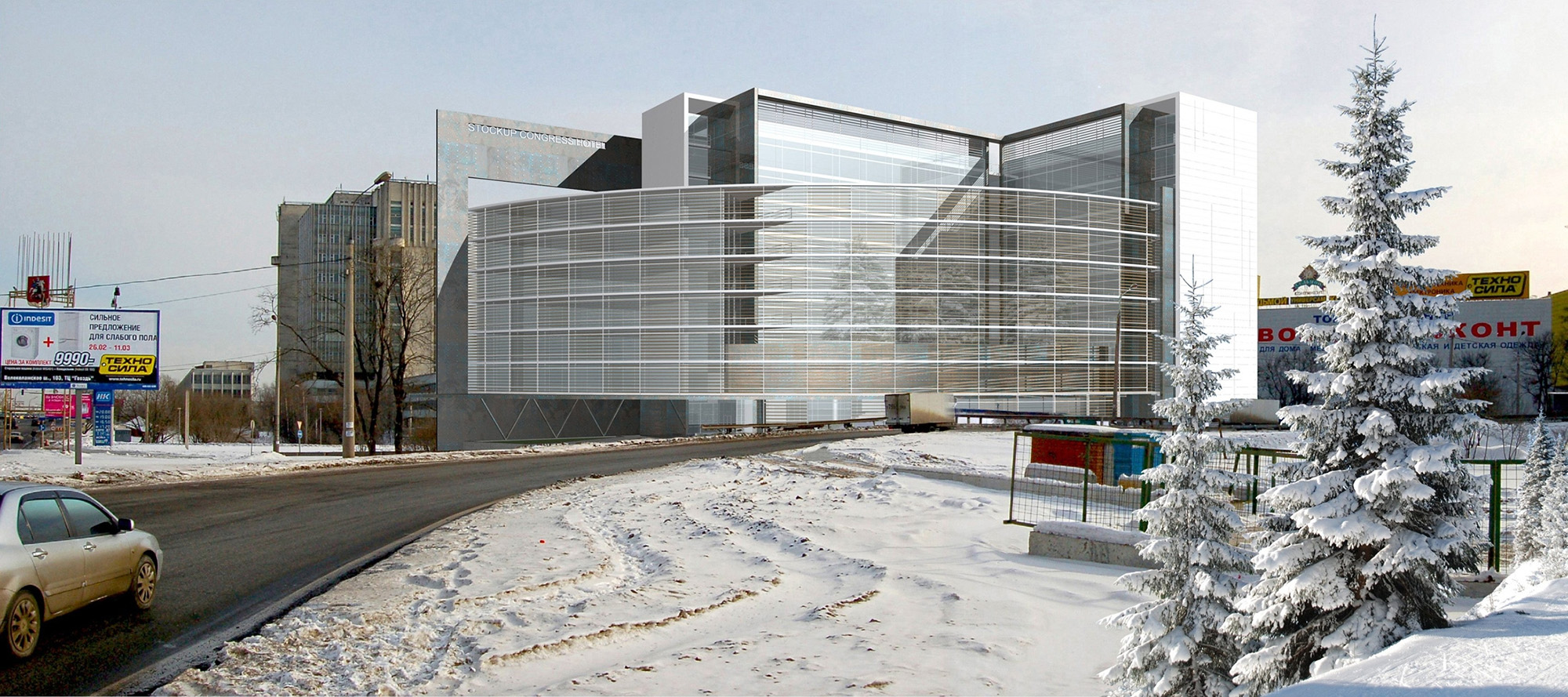 Access from Interchange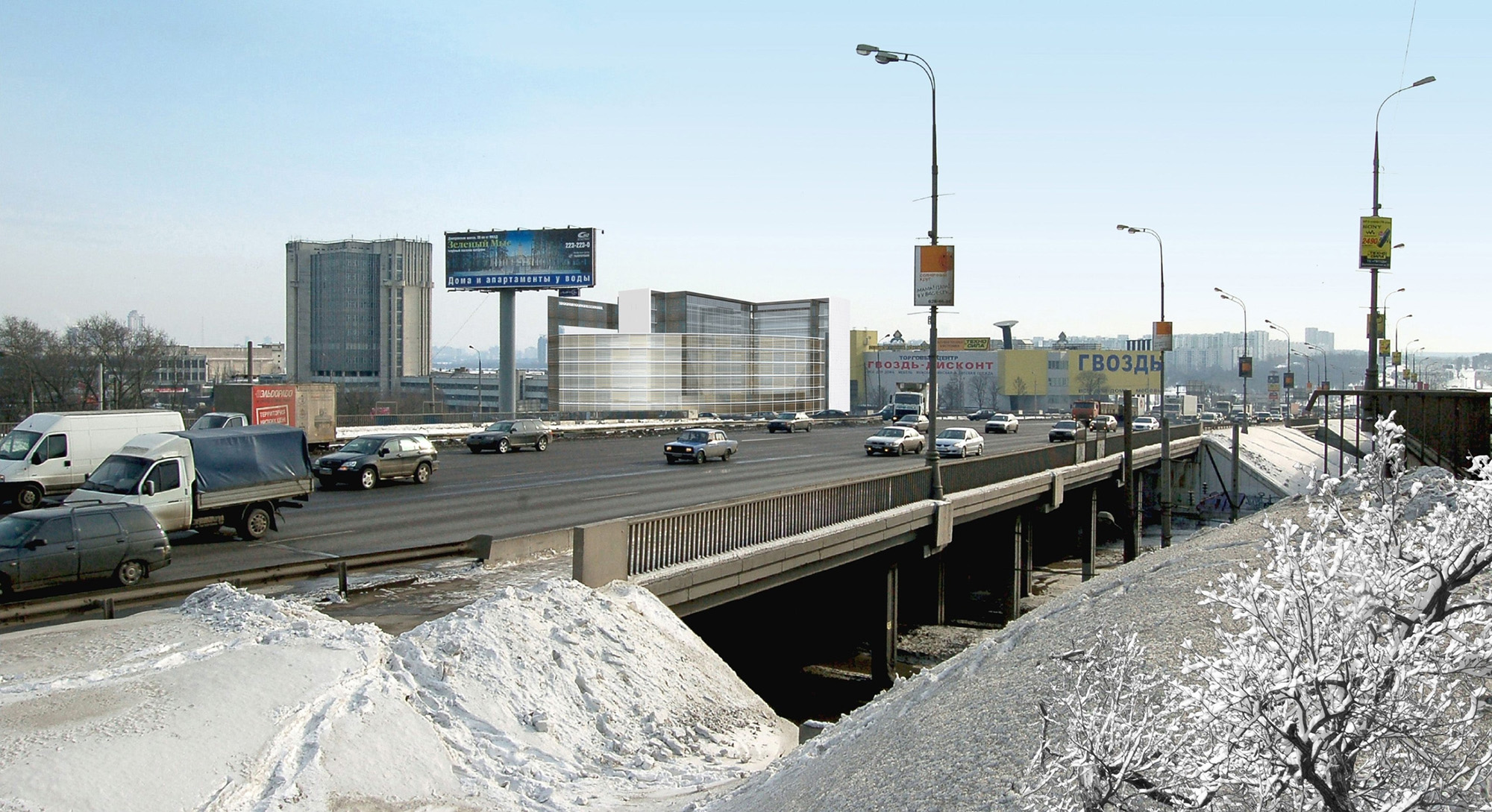
 Ring Road View. "Nail" Shopping Center (right)